

Understanding the Nature of Luck in Gambling
One of the most pervasive myths surrounding casino gambling is the idea that luck is the sole factor determining a player’s success. Many individuals believe that winning is purely a matter of chance, ignoring the various strategies and skills involved in different games. While it is true that many games, such as slots, are largely based on luck, others like poker or blackjack require a solid understanding of strategy, psychology, and online sports betting canada statistical probabilities. This distinction is crucial for players looking to improve their odds and maximize their enjoyment.
The belief that luck alone governs outcomes can lead many players to adopt a reckless approach to gambling. This mindset can cause individuals to chase losses or place bets without considering the underlying mathematics of the games they are playing. On the other hand, understanding the nature of luck can help players manage their expectations and develop a more calculated approach. By recognizing when luck plays a role and when skill is essential, players can make informed decisions that may enhance their overall experience.
Moreover, the belief in luck can be influenced by cognitive biases, such as the “gambler’s fallacy,” where players mistakenly think past outcomes affect future results. For example, if a roulette wheel has landed on red several times in a row, a player might believe that black is “due” to happen next. In reality, each spin is an independent event, and understanding this can help players make more rational choices rather than relying solely on superstitions or luck.
The Role of House Edge in Casino Games
Another common myth is the misconception that all casino games are rigged against players. While it is true that casinos operate with a built-in advantage known as the house edge, this does not mean that players cannot win. The house edge varies from game to game, and understanding it is vital for players who want to optimize their strategies. For instance, games such as blackjack can have a low house edge of around 1% when played with optimal strategy, making it much more favorable than games like slots, which may have a house edge of up to 10% or more.
This notion of the house edge leads to misunderstandings about the fairness of gambling experiences. Many players may feel disheartened upon losing and believe that the game’s design is unfairly tilted against them. However, it’s essential to recognize that the house edge is built into the business model of casinos, allowing them to remain profitable while providing entertainment to players. This does not mean that players can’t win; it simply means that, over time, the casino’s advantage will prevail, making it essential for players to approach gambling with a realistic mindset.
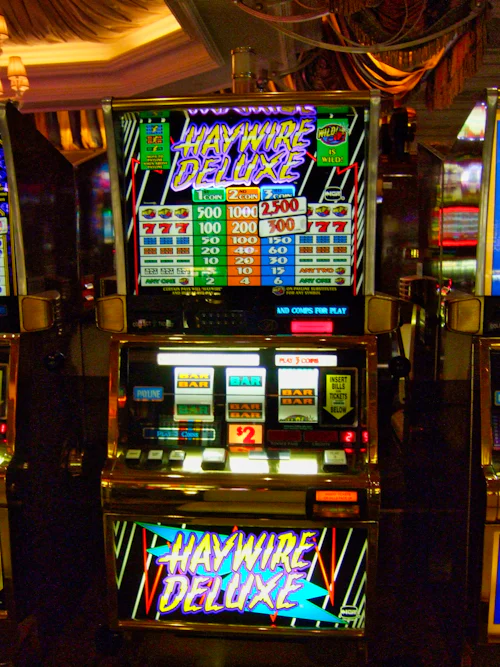
In addition to understanding the house edge, players can also leverage the concept of variance and volatility. Games with high variance may lead to more significant swings in bankrolls, where players can experience both substantial wins and heavy losses in short periods. Conversely, low-variance games may provide smaller, more consistent payouts. Recognizing these differences allows players to make informed choices that align with their risk tolerance and gaming preferences.
The Impact of Gambling Addiction
Gambling addiction is a serious issue that has been surrounded by various myths and misconceptions. Many people believe that only those who are financially irresponsible or lack self-discipline fall victim to gambling addiction. In truth, addiction can affect anyone, irrespective of their financial situation or background. The thrill of gambling can easily lead to compulsive behaviors, where individuals continue to gamble despite negative consequences.
Moreover, the signs of gambling addiction can often be subtle, making it hard for individuals to recognize when they have crossed the line from casual enjoyment to problematic behavior. Symptoms may include preoccupation with gambling, increased tolerance, and withdrawal symptoms when not gambling. It is crucial for both players and their loved ones to be aware of these signs and seek help when necessary. Early intervention can drastically improve outcomes and help individuals regain control over their gambling habits.
Organizations dedicated to helping those affected by gambling addiction emphasize the importance of open dialogue and understanding about the issue. Seeking professional help, joining support groups, and acknowledging the problem are essential steps toward recovery. Furthermore, fostering a responsible gambling culture—where players are encouraged to set limits on their activities—can significantly reduce the risk of addiction within the broader community.
Myths Surrounding Professional Gamblers
Another persistent myth is the glamorization of professional gamblers. Many people envision a life of luxury, where individuals can effortlessly make a living through gambling. In reality, the life of a professional gambler involves significant risk, intense study, and considerable time investment. Success in gambling often hinges on an in-depth understanding of games, as well as rigorous discipline and bankroll management.

Furthermore, professional gamblers often face tremendous pressure and uncertainty. The fluctuation of income can create stress, leading to an unpredictable lifestyle. While stories of high-stakes players winning massive sums may dominate headlines, they are often outliers. Most professional gamblers can expect a more modest income with a need for resilience to endure the inevitable downswings that accompany the industry.
It is also necessary to differentiate between casual players and those who consider gambling a profession. Many individuals enjoy gambling recreationally and can do so responsibly without the same pressures faced by professionals. Understanding these distinctions helps to dispel myths and offers a more realistic view of what it means to be involved in the gambling scene.
Resources for Responsible Gambling and Information
As the conversation surrounding casino gambling continues to evolve, several resources are available for those seeking to understand the realities and risks associated with gambling. Many casinos provide information on responsible gaming practices, including self-exclusion programs and limits on spending. This proactive approach aims to foster a safe and enjoyable gambling environment for patrons.
In addition to casino resources, numerous organizations offer support and education for individuals grappling with gambling-related issues. Websites dedicated to responsible gambling often feature articles, games, and tools designed to help players recognize their behaviors and make more informed choices. These resources seek to empower individuals with the knowledge necessary to navigate the complexities of gambling responsibly.
Ultimately, understanding the myths and facts about casino gambling is vital for anyone considering participating in this form of entertainment. By arming themselves with accurate information and utilizing available resources, players can engage in gambling in a way that is both enjoyable and responsible. Whether you are a seasoned player or a newcomer, being informed will enhance your experience and help you cultivate a healthier relationship with gambling.
